RV travel and destinations
How to Rent an RV for the First Time: A Complete Step-by-Step Guide
Posted on January 21, 2026
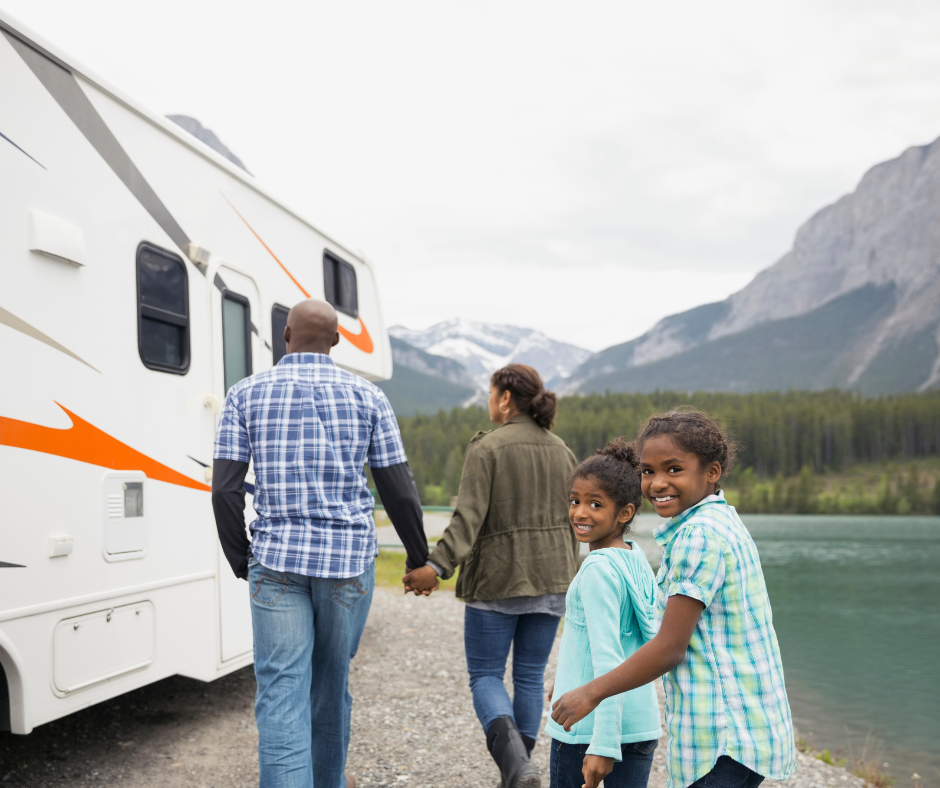
Planning your first RV adventure? This guide walks you through everything you need to know about renting an RV, from choosing the right type to understanding costs, insurance, and what to expect on pickup day.
Getting Started with Your First RV Rental
Renting an RV for the first time is easier when you break the process into a few simple steps. Most first-time renters start by choosing the right RV type, setting a realistic budget, comparing listings by location, reviewing insurance coverage, and scheduling a walkthrough with the RV owner before departure.
Step 1: Decide what type of RV fits your trip
Your RV choice affects everything from driving difficulty to campground access and nightly cost. First-time renters often start with:
- Class B campervans for easier driving,
- Class C motorhomes for families,
- or travel trailers for budget-friendly camping.
Step 2: Set your RV rental budget
Most RV rentals in North America cost between $150 and $250 per night, depending on the RV type, season, and location. Larger Class A motorhomes can exceed $400 per night, while smaller trailers may cost under $100 nightly.
Beyond the nightly rate, budget for:
- insurance,
- campground fees,
- mileage charges,
- fuel,
- and cleaning fees.
Step 3: Search RV rentals by location and travel style
Most RV rental platforms allow you to search by:
- city,
- campground region,
- RV type,
- sleeping capacity,
- and amenities.
Reading reviews, checking photos carefully, and comparing included features can help narrow down the best option for your trip.
Step 4: Verify insurance and roadside protection
Before booking, confirm what insurance coverage is included with the rental. Most major RV rental platforms include liability protection and roadside assistance, but coverage limits and deductibles vary.
Step 5: Schedule an RV walkthrough before departure
On pickup day, the owner will usually explain:
- how hookups work,
- how to operate appliances,
- tank management,
- and basic driving or towing tips.
For first-time renters, this walkthrough is one of the most important parts of the rental process.
Renting an RV is often much simpler than beginners expect, especially when starting with a manageable RV size and planning the trip carefully.
Choosing the Right RV Type for Your Trip
The type of RV you rent affects everything from your daily rate to how easy it is to drive and park. RVs fall into two main categories: motorized (you drive them) and towable (you pull them behind your vehicle). Each has specific advantages depending on your trip style, group size, and comfort level.
Motorized RVs (Motorhomes)
Motorized RVs have the engine built in, so you drive them like a large van or bus. They're popular with first-time renters because you don't need a separate tow vehicle.
Class A Motorhomes are the largest option, often 30 to 40 feet long with full amenities like king beds, residential kitchens, and spacious bathrooms. They typically sleep 6 to 8 people and offer the most comfort but can be intimidating to drive and expensive to rent. Daily rates often range from $200 to $500.
Class B Campervans are built on van chassis and are the most maneuverable option, usually 18 to 24 feet long. They sleep 2 to 4 people and fit into regular parking spaces, making them ideal for urban exploring and national parks with narrow roads. Daily rates typically run $150 to $300.
Class C Motorhomes sit between Class A and Class B in size and features, usually 24 to 32 feet long with a distinctive cab-over sleeping area. They sleep 4 to 7 people, drive more easily than Class A models, and offer good amenities at moderate prices, typically $175 to $350 per day.
Towable RVs (Trailers)
Towable RVs require a truck or SUV with proper towing capacity. They let you unhitch at the campground and use your vehicle for local exploring.
Travel Trailers range from 12 to 35 feet and connect to your vehicle with a standard hitch. They sleep 2 to 10 people depending on size and typically cost $100 to $250 per day. You'll need a vehicle rated to tow the trailer's weight.
Fifth Wheels attach to a special hitch in the bed of a pickup truck and offer more living space than travel trailers of similar length. They typically range from 25 to 40 feet, sleep 4 to 8 people, and cost $150 to $300 per day. They're stable to tow but require a compatible truck.
What to Consider When Choosing
Your group size matters most. Count how many people need sleeping space and seatbelts (everyone must have a seatbelt while traveling). Consider your driving comfort level. If you're nervous about maneuvering a 35-foot motorhome, start with a campervan or smaller Class C.
Think about your destinations too. National parks often have length restrictions, and some campgrounds can't accommodate larger rigs. Urban areas are easier to navigate in a compact campervan. If you plan to explore after setting up camp, a towable RV gives you transportation freedom without breaking down your whole campsite.
How Much Does It Cost to Rent an RV?
RV rental costs vary widely based on the type of RV, time of year, rental duration, and location. Understanding the full cost breakdown helps you budget accurately and avoid surprises.
Base Daily Rates
Daily rental rates represent your biggest expense. Across North America, you can expect:
- Campervans (Class B): $150 to $300 per day
- Class C Motorhomes: $175 to $350 per day
- Class A Motorhomes: $200 to $500 per day
- Travel Trailers: $100 to $250 per day
- Fifth Wheels: $150 to $300 per day
Rates fluctuate seasonally. Summer months (June through August) and holiday weekends see the highest prices, often 20% to 40% above shoulder season rates. Spring and fall typically offer better deals with pleasant weather in most regions.
Additional Fees to Expect
Beyond the daily rate, several fees can add to your total cost:
Mileage fees vary by rental. Some owners include unlimited miles, while others provide a daily allowance (often 100 to 150 miles) and charge $0.35 to $0.75 per mile beyond that. Long road trips can rack up significant mileage charges if you're not careful.
Generator fees apply when you use the RV's generator for power off-grid. Owners typically charge $3 to $8 per hour of generator use, though some include a certain number of hours per day.
Cleaning fees range from $75 to $200 depending on RV size. Most owners charge this regardless of how clean you return the RV, though leaving it spotless may earn you better reviews.
Delivery fees apply if you want the RV brought to your campsite instead of picking it up. Costs vary by distance, typically $2 to $4 per mile each way, plus a setup fee.
Prep fees of $50 to $150 may cover sanitizing tanks, filling propane, and preparing the RV for your trip.
What's Typically Included
Most RV rentals include basic necessities like bedding, kitchen essentials (dishes, pots, utensils), and bathroom supplies. You'll usually get fresh linens, towels, and basics like toilet paper and paper towels. Standard RV features like the refrigerator, stove, microwave, and air conditioning are always included.
Some owners provide extras like camping chairs, outdoor tables, games, or even bicycles. Check the listing carefully to see what's included and what you need to bring. Items like food, personal toiletries, and firewood are always your responsibility.
Sample Budget Breakdown
For a week-long trip in a Class C motorhome during summer:
- Daily rate (7 nights at $250): $1,750
- Cleaning fee: $125
- Generator use (10 hours): $50
- Extra mileage (300 miles over allowance): $150
- Insurance coverage: $245
- Total rental cost: $2,320
Add campground fees ($30 to $80 per night), fuel costs (RVs typically get 8 to 12 miles per gallon), and food to get your complete trip budget.
Understanding RV Rental Insurance and Protection
Insurance coverage is one of the most important aspects of renting an RV, and it can feel confusing if you're new to the process. Most peer-to-peer platforms include comprehensive protection, but understanding what's covered gives you peace of mind.
What Standard Coverage Includes
Platforms like RVezy include insurance and protection with every rental. This typically covers liability (damage you cause to other people or property), collision damage to the RV itself, and comprehensive coverage for things like theft, vandalism, or weather damage.
Coverage limits vary by country and protection plan. In Canada, eligible RVezy protection plans may include up to $2 million in third-party liability coverage. In the U.S., liability coverage follows state minimum requirements, so renters should review the selected protection plan before booking. Collision coverage may help with repairs if you damage the RV during your trip, though you may pay a deductible. Comprehensive coverage may apply to non-collision incidents such as hail damage, fallen trees, or break-ins, depending on the selected plan.
Deductibles and Security Deposits
Most rentals require a refundable security deposit, typically $500 to $2,000 depending on the RV's value. This deposit covers your deductible if damage occurs. If you return the RV without incidents, you get your full deposit back within a few days.
Deductible amounts vary by protection plan. RVezy’s current plans list deductibles starting from $500 for Premium, $750 for Standard, $1,000 for Stationary, and $1,500 for Basic. Choosing a plan with a lower deductible may cost more upfront but can reduce your out-of-pocket expense if covered damage occurs.
What Insurance Doesn't Cover
Standard coverage typically excludes interior damage from negligence, like stained upholstery or broken appliances caused by misuse. It won't cover personal belongings stolen from the RV (that's what your homeowner's or renter's insurance is for). Damage from driving on restricted roads or using the RV in prohibited ways may not be covered either.
If you're towing a travel trailer or fifth wheel, your personal auto insurance usually covers the tow vehicle, but you should verify this with your insurance provider before your trip. The rental platform's coverage typically applies only to the trailer itself.
Roadside Assistance
Quality rental platforms include 24/7 roadside assistance with every booking. This covers flat tires, dead batteries, lockouts, and mechanical breakdowns. If your RV becomes undriveable, assistance typically includes towing to a repair facility and help finding alternative accommodations if needed.
Having this support means you're never stranded, even in remote areas. Keep the roadside assistance number saved in your phone and don't hesitate to call if you encounter problems.
The RV Rental Booking Process Step by Step
Booking your first RV rental follows a straightforward process. Understanding each step helps you move confidently from browsing to hitting the road.
Step 1: Search for Available RVs
Start by entering your travel dates and pickup location on a rental platform. You can search RVs near you or search near your destination if you're flying in. Use filters to narrow results by RV type, price range, amenities (bathroom, kitchen, pet-friendly), and sleeping capacity.
Browse listings carefully. Look at all photos, read the full description, and check reviews from previous renters. Pay attention to what's included, house rules (like pet policies or smoking restrictions), and any special requirements the owner mentions.
Step 2: Message the Owner
Before booking, message the owner with any questions. Ask about specific features, clarify pickup and return procedures, or get recommendations for your trip. Good questions include where exactly you'll pick up the RV, whether they offer any add-ons like camping chairs or bikes, and if they have tips for first-time RV renters.
This conversation helps you gauge how responsive and helpful the owner is. A communicative owner who answers questions thoroughly usually means a smoother rental experience.
Step 3: Submit Your Booking Request
When you're ready to book, submit a request with your travel dates. The owner typically has 24 hours to accept or decline. If they accept, you'll move to the payment step. Some listings offer instant booking, which confirms your reservation immediately without waiting for owner approval.
Step 4: Complete Payment and Insurance
You'll pay through the platform's secure payment system. The total includes your rental fees, insurance coverage, and any add-ons you selected. Most platforms charge your card at booking for deposits and fees, with the remaining balance due closer to your trip date.
This is when you select your insurance coverage level if multiple options are available. Review what's covered and choose the deductible amount you're comfortable with.
Step 5: Review Details and Prepare
After booking confirmation, you'll receive details about pickup location, time, and what to bring. Some platforms provide a cancellation policy overview so you understand your options if plans change.
Start preparing for your trip by researching campgrounds, planning your route, and making a packing list. Download any RV apps the owner recommends and familiarize yourself with RV basics through online videos or guides.
Step 6: Pickup and Walkthrough
On pickup day, arrive on time and bring your driver's license and payment card. The owner will walk you through the RV's systems, including how to operate the water, electrical, and waste systems, how to extend slideouts, and how to use appliances.
Take notes during the walkthrough and don't be shy about asking the owner to repeat anything. Take photos or videos of the RV's condition and the demonstration so you can reference them later. Test everything before you leave to ensure it works properly.
Step 7: Return the RV
Return the RV on time with the agreed-upon fuel level (usually full) and waste tanks emptied. Do a quick clean to remove trash, wipe down surfaces, and leave it in good condition. The owner will inspect the RV and release your security deposit if everything looks good.
What to Expect on Your First RV Trip
Your first RV adventure involves a learning curve, but knowing what to expect makes the experience more enjoyable and less stressful.
Driving an RV
Driving an RV feels different from a regular car, but most people adjust within the first hour. Motorhomes sit higher, so visibility is actually better than in a car, though you'll need to watch clearances for low bridges or drive-throughs. They're wider too, so give yourself extra space when changing lanes or turning.
Acceleration and braking happen more slowly due to the weight. Leave more following distance and start braking earlier. Take turns wide to avoid clipping curbs with your rear wheels. Practice in an empty parking lot before hitting busy roads if you're nervous.
Most RVs have backup cameras, but you should still check your mirrors constantly. Get comfortable with the size in low-pressure situations first. Remember that your passenger can help watch the right side and alert you to obstacles.
Setting Up at Campgrounds
Arriving at your campsite means leveling the RV, hooking up utilities, and extending slideouts. Modern campgrounds often have full hookups (water, electric, and sewer), making setup straightforward. You'll connect your water hose, plug in the electrical cord, and potentially connect the sewer hose if you're staying multiple nights.
The RV owner should provide detailed instructions for setup. Take your time and follow the steps in order. Other campers are usually friendly and willing to help if you look confused. Many campgrounds have staff who can assist first-timers with hookups.
Living in Your RV
RV living requires some adjustment, especially around water and power conservation. Even with hookups, you'll develop habits like taking shorter showers and being mindful of what goes down drains. Learn what can go in the toilet (only RV-safe toilet paper) and what can't (pretty much everything else).
The kitchen functions like home but in miniature. Storage is limited, so you'll learn to be organized. The fridge runs on propane or electricity depending on your setup. Most RVs have a microwave and stovetop, some have ovens. Cooking in an RV is totally doable once you get the hang of the space.
Common First-Timer Mistakes to Avoid
Don't forget to retract your TV antenna, awning, and stabilizer jacks before driving away. These are easy to overlook and can cause expensive damage. Create a pre-departure checklist and use it every time.
Watch your fresh water and waste tank levels. Running out of fresh water or overfilling waste tanks creates unpleasant situations. Most RVs have monitors, but they're not always accurate. Dump waste tanks when they're two-thirds full for best results.
Avoid driving with the refrigerator on propane. Many campgrounds and roads prohibit this due to fire risk. Switch to electric when moving or turn it off entirely for short trips.
Don't exceed your RV's weight limits. Know the cargo capacity and don't overload it with gear. Too much weight affects handling, braking, and fuel economy.
Planning Your RV Trip for Success
Proper planning makes the difference between a stressful trip and a memorable adventure. A few key considerations help everything run smoothly.
When to Book Your RV
Book your RV as early as possible, especially for summer travel or popular destinations. Prime RVs in desirable locations can book up three to six months in advance. Shoulder season (spring and fall) offers more flexibility, but popular weekends still fill quickly.
Last-minute bookings are possible, particularly in off-peak times, but your options will be more limited. If you have specific RV requirements or need a large rig for a big group, early booking ensures availability.
How Far in Advance to Plan
Reserve campgrounds early too. Many national parks and popular campgrounds accept reservations six months to a year in advance, and prime spots book within hours of opening. State parks typically open reservations three to six months out.
If you're flexible about destinations, you can book closer to your trip date. Private campgrounds often have more availability than public ones, especially if you're traveling midweek.
Route Planning Considerations
Plan reasonable daily driving distances. RVs move slower than cars, typically averaging 50 to 55 mph on highways. Factor in fuel stops, rest breaks, and slower speeds on mountain roads. Aim for 200 to 250 miles maximum per day to avoid exhaustion.
Research your route for RV-friendly roads. Some mountain passes, historic routes, or scenic byways restrict large vehicles. GPS apps designed for RVs can route you around these restrictions and warn you about low clearances or tight turns.
What to Pack
Beyond personal clothing and toiletries, bring items that make RV life easier:
- Extra toilet paper and paper towels
- Trash bags and zip-lock bags
- Basic tools (screwdriver, wrench, duct tape)
- Flashlights or headlamps
- Outdoor chairs if not included
- Leveling blocks if the owner doesn't provide them
- Water pressure regulator and drinking water hose
- Rubber gloves for handling sewer connections
- First aid kit and any medications
- Entertainment for downtime (books, games, etc.)
Most importantly, bring a positive attitude and flexibility. Things won't always go perfectly, but that's part of the adventure.
Frequently Asked Questions
Do I need a special license to rent an RV?
No. Most RV rentals in the U.S. and Canada only require a standard driver’s license, including most Class A, B, and C motorhomes available on rental platforms.
What’s included when you rent an RV?
Most RV rentals include kitchen essentials, bedding, hookups, basic camping equipment, and standard RV appliances. Some owners also include extras like chairs, outdoor gear, or delivery services.
Is RV rental insurance included?
Most major RV rental platforms offer insurance or protection coverage and roadside assistance as part of the booking process. Coverage limits, liability protection, deductibles, and eligibility vary by platform, country, and selected protection plan, so renters should review the details before booking.
How much does it cost to rent an RV for a week?
A week-long RV rental typically costs between $1,400 and $3,500 depending on the RV type, season, location, and mileage. Campground fees, fuel, and insurance may add additional costs.
Is renting an RV good for beginners?
Yes. Renting is one of the easiest ways to try RV travel without committing to ownership. Many platforms include owner walkthroughs, insurance coverage, and roadside assistance for first-time renters.
What size RV should I rent for my first trip?
First-time renters often start with smaller Class B campervans or Class C motorhomes because they are easier to drive, park, and maneuver than larger Class A RVs.
Can you rent an RV without experience?
Yes. No prior RV experience is required. Most owners provide a walkthrough covering driving, hookups, appliances, and tank systems before your trip begins.
When is the best time to rent an RV?
Spring and fall usually offer lower prices, fewer crowds, and easier campground availability compared to peak summer travel months.
What happens if you damage a rental RV?
Most RV rental platforms provide insurance coverage. If damage occurs, renters typically pay the deductible amount while insurance handles the remaining repair costs.
How far in advance should I book an RV?
For summer trips and popular destinations, booking 2–6 months in advance is recommended to secure the best RV selection and campground availability.